25Aug
The Power of Traditional Marketing in a Digital World

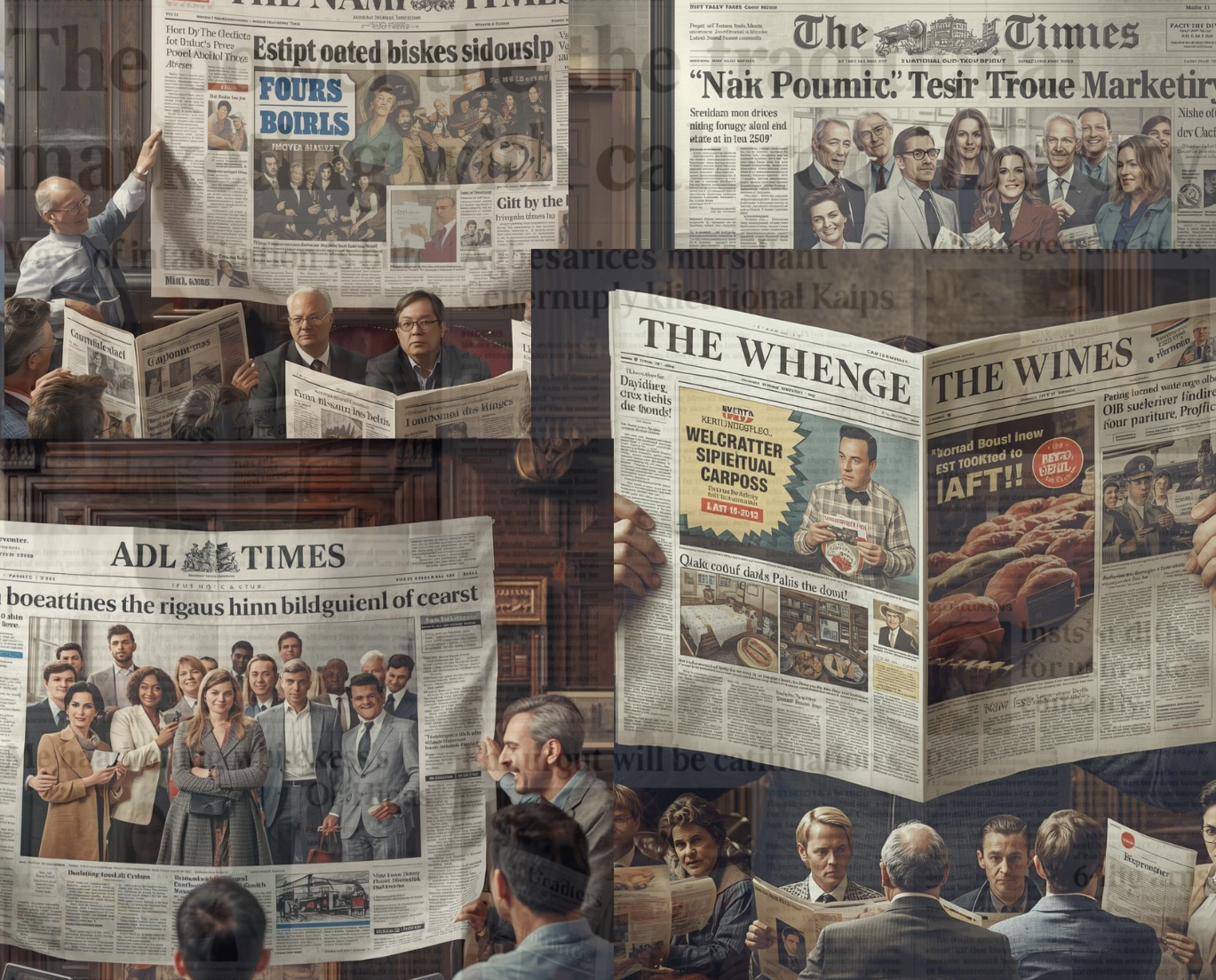
In a digital-first era, traditional marketing—print ads, TV commercials, billboards, radio, and direct mail—remains relevant. While digital dominates, traditional methods offer unique advantages that digital alone cannot match. Many brands find that blending traditional and digital approaches is the most effective way to build trust, enhance recall, and reach broad audiences.
Even in today’s digital era, traditional marketing remains the heartbeat of authentic storytelling.
It creates emotional connections that technology alone can’t replace.
Blended with digital innovation, it bridges credibility with modern reach—keeping brands trusted and relevant.
Old ways don’t die; they evolve. Traditional marketing still speaks the language of trust, while digital amplifies its voice.

Curabitur placerat, nunc nec eleifend tincidunt, nibh nulla dictum turpis, vitae vulputate magna orci sed ex. Donec eleifend scelerisque leo nec eleifend. Vivamus volutpat dolor et velit fermentum aliquam sagittis felis vitae dictum aliquam. In hac habitasse platea dictumst ivamus malesuada tempor sem onec malesuada vestibulum accumsan. Cras sed odio vehicula, finibus ante at, fermentum libero.
Why Traditional Marketing Still Matters
1. Building Trust and Credibility:
Consumers often perceive traditional channels as more credible. Newspapers, TV, and radio have long-standing reputations, and ads on these platforms are considered legitimate. About 82% of consumers trust print ads over digital, making traditional marketing essential for new products or brands seeking initial credibility.
2. Enhanced Brand Recall:
Traditional marketing engages multiple senses. Brochures, billboards, or radio jingles create tactile, visual, and auditory impressions that stick in memory. Studies show that tangible marketing materials can increase brand recall by up to 70%, making campaigns more memorable.
3. Broader and Localized Reach:
Not everyone is constantly online. Traditional methods reach demographics less active digitally, such as older adults or local communities. Local businesses benefit from flyers, neighborhood newspaper ads, and geographically targeted billboards, which provide direct and effective outreach.
4. Longevity and Brand Presence:
Unlike digital ads, which can disappear quickly, traditional materials often have lasting visibility. Consumers encounter billboards or print ads repeatedly, reinforcing brand presence and familiarity over time, which builds loyalty.
5. Integrating Traditional and Digital Marketing:
Smart marketers combine both approaches to create omnichannel strategies. Print ads can include QR codes linking to websites or social media, while TV commercials can promote online contests or hashtags. This integration ensures consistent messaging, strengthens brand identity, and meets consumers wherever they are.
6. Challenges and Considerations:
Traditional marketing can involve high production costs and often makes measuring precise ROI difficult. Unlike digital campaigns with real-time analytics, traditional efforts rely on surveys or estimates. Moreover, younger audiences favor digital platforms, so brands must carefully balance their media mix. However, this shift highlights the importance of strategic channel selection rather than reducing the value of traditional marketing.
Consumers often perceive traditional channels as more credible. Newspapers, TV, and radio have long-standing reputations, and ads on these platforms are considered legitimate. About 82% of consumers trust print ads over digital, making traditional marketing essential for new products or brands seeking initial credibility.
2. Enhanced Brand Recall:
Traditional marketing engages multiple senses. Brochures, billboards, or radio jingles create tactile, visual, and auditory impressions that stick in memory. Studies show that tangible marketing materials can increase brand recall by up to 70%, making campaigns more memorable.
3. Broader and Localized Reach:
Not everyone is constantly online. Traditional methods reach demographics less active digitally, such as older adults or local communities. Local businesses benefit from flyers, neighborhood newspaper ads, and geographically targeted billboards, which provide direct and effective outreach.
4. Longevity and Brand Presence:
Unlike digital ads, which can disappear quickly, traditional materials often have lasting visibility. Consumers encounter billboards or print ads repeatedly, reinforcing brand presence and familiarity over time, which builds loyalty.
5. Integrating Traditional and Digital Marketing:
Smart marketers combine both approaches to create omnichannel strategies. Print ads can include QR codes linking to websites or social media, while TV commercials can promote online contests or hashtags. This integration ensures consistent messaging, strengthens brand identity, and meets consumers wherever they are.
6. Challenges and Considerations:
Traditional marketing can involve high production costs and often makes measuring precise ROI difficult. Unlike digital campaigns with real-time analytics, traditional efforts rely on surveys or estimates. Moreover, younger audiences favor digital platforms, so brands must carefully balance their media mix. However, this shift highlights the importance of strategic channel selection rather than reducing the value of traditional marketing.
Case Studies:Ongoing Success
Coca-Cola invests in TV, print, and outdoor advertising alongside digital campaigns, maintaining global brand recognition and heritage.
Amul uses witty print ads and billboards integrated with digital campaigns, sustaining mass appeal across generations.
Local Businesses benefit from flyers, radio spots, and direct mail to drive regional foot traffic effectively.
Amul uses witty print ads and billboards integrated with digital campaigns, sustaining mass appeal across generations.
Local Businesses benefit from flyers, radio spots, and direct mail to drive regional foot traffic effectively.
Conclusion
Traditional marketing remains a vital component of a balanced strategy in 2025. It builds credibility, enhances recall, and reaches audiences that digital alone may miss. When integrated with digital campaigns, traditional methods amplify impact and create seamless brand experiences across the customer journey.
Rather than being replaced, traditional marketing complements digital evolution. Brands leveraging the strengths of both are best positioned to foster trust, engagement, and long-term customer relationships.


Leave a Reply