25Sep
Why a 360° Marketing Approach is Essential for Modern Brands

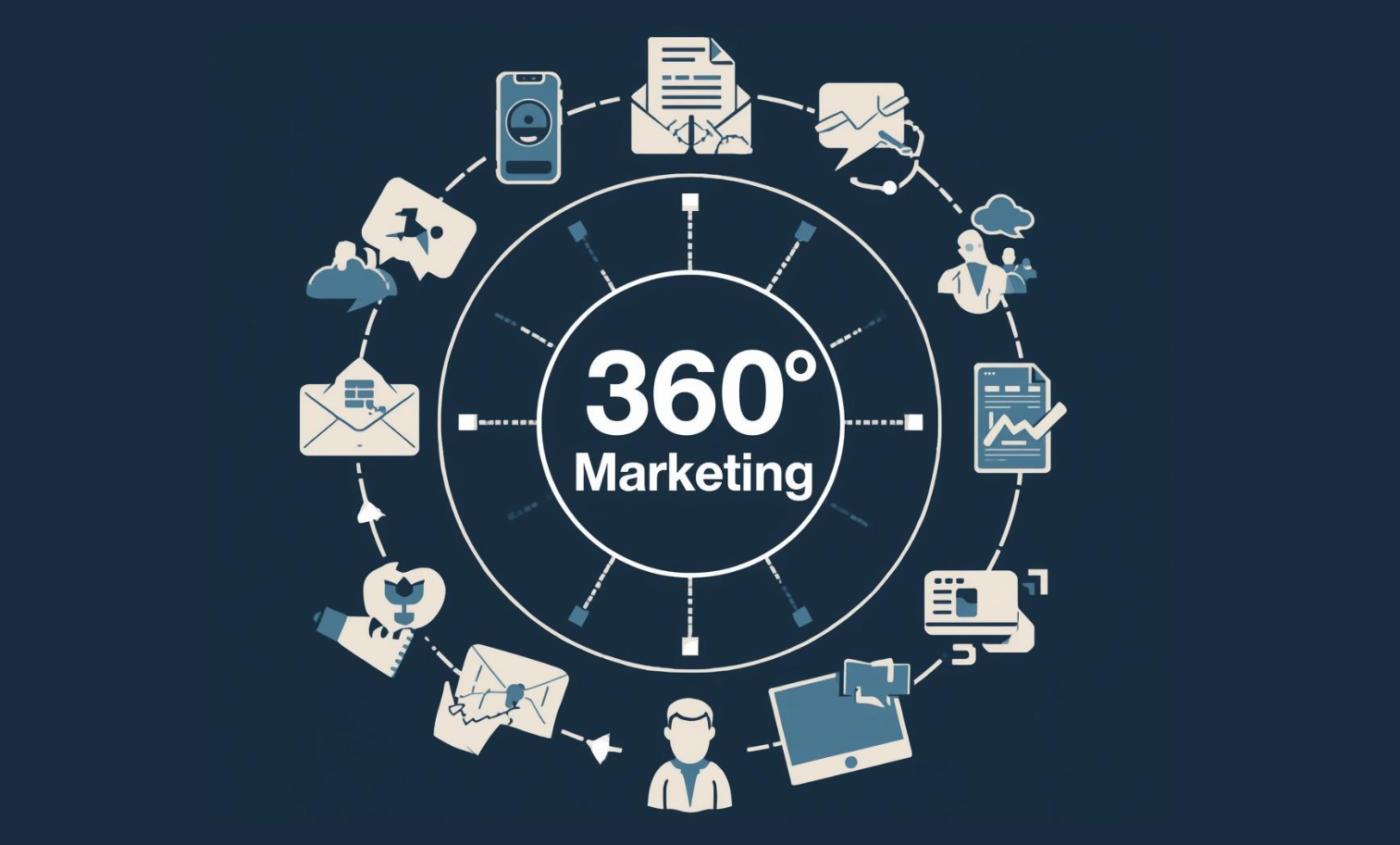
In today’s hyper-connected world, consumers interact with brands across social media, websites, email, apps, physical stores, and events. A fragmented or single-channel strategy is no longer enough to build strong brands. A 360° marketing approach, which integrates every touchpoint into a seamless, consistent experience, has become essential for modern brands.
What Is a 360° Marketing Approach?
A 360° marketing strategy ensures that all channels—online and offline—work in harmony to tell a unified brand story. Digital platforms like social media, blogs, emails, and apps complement traditional channels such as TV, print, and events to deliver consistent messaging. This creates a memorable experience regardless of where or how customers engage with the brand.
A 360° marketing approach delivers consistent, engaging experiences across every touchpoint. It builds trust, fosters loyalty, and maximizes ROI for modern brands.

Curabitur placerat, nunc nec eleifend tincidunt, nibh nulla dictum turpis, vitae vulputate magna orci sed ex. Donec eleifend scelerisque leo nec eleifend. Vivamus volutpat dolor et velit fermentum aliquam sagittis felis vitae dictum aliquam. In hac habitasse platea dictumst ivamus malesuada tempor sem onec malesuada vestibulum accumsan. Cras sed odio vehicula, finibus ante at, fermentum libero.
Why Modern Brands Need a 360° Approach
1. Consistent Brand Messaging Builds Trust
Coherent brand voice and visual identity increases recognition and revenue by up to 23% (Lucidpress, 2019). Disjointed messaging can confuse audiences.
2. Enhanced Customer Engagement
Exposure across multiple channels boosts interaction and loyalty. Customers interacting on several touchpoints are up to 250% more likely to engage meaningfully (Omnisend, 2023).
3. Increased Reach and Visibility
No single channel reaches the entire audience. Complementary channels broaden visibility and maintain top-of-mind presence.
4. Data-Driven Customer Insights
Collect data from every touchpoint to refine messaging and personalize campaigns. Improves relevance and ROI.
5. Maximized Return on Investment
Integrated channels reduce wasted spend and improve efficiency. Omnichannel campaigns achieve 91% higher customer retention than single-channel campaigns (Aberdeen Group, 2024).
Coherent brand voice and visual identity increases recognition and revenue by up to 23% (Lucidpress, 2019). Disjointed messaging can confuse audiences.
2. Enhanced Customer Engagement
Exposure across multiple channels boosts interaction and loyalty. Customers interacting on several touchpoints are up to 250% more likely to engage meaningfully (Omnisend, 2023).
3. Increased Reach and Visibility
No single channel reaches the entire audience. Complementary channels broaden visibility and maintain top-of-mind presence.
4. Data-Driven Customer Insights
Collect data from every touchpoint to refine messaging and personalize campaigns. Improves relevance and ROI.
5. Maximized Return on Investment
Integrated channels reduce wasted spend and improve efficiency. Omnichannel campaigns achieve 91% higher customer retention than single-channel campaigns (Aberdeen Group, 2024).
Real-World Examples
Coca-Cola:Combines TV, social media, experiential events, and retail activations to deliver immersive, consistent experiences globally.
Nike: “Just Do It” messaging integrates TV commercials, influencer campaigns, in-store displays, and digital platforms for a unified brand identity.
Apple: Launch events, cohesive retail displays, and consistent online messaging create flawless 360° engagement.
Nike: “Just Do It” messaging integrates TV commercials, influencer campaigns, in-store displays, and digital platforms for a unified brand identity.
Apple: Launch events, cohesive retail displays, and consistent online messaging create flawless 360° engagement.
How to Implement a 360° Marketing Strategy
Unify Brand Messaging: Establish a clear brand voice and visual identity applied across all channels.
Understand Your Audience: Use personas and journey mapping to tailor messages and channel selection.
Align Digital and Traditional Channels: Ensure campaigns complement each other across social media, email, ads, offline media, and events.
Leverage Technology: Utilize CRM, marketing automation, and analytics to coordinate and measure campaigns. Continuously Optimize: Monitor results and refine strategies using cross-channel performance data.
Understand Your Audience: Use personas and journey mapping to tailor messages and channel selection.
Align Digital and Traditional Channels: Ensure campaigns complement each other across social media, email, ads, offline media, and events.
Leverage Technology: Utilize CRM, marketing automation, and analytics to coordinate and measure campaigns. Continuously Optimize: Monitor results and refine strategies using cross-channel performance data.
Conclusion
A 360° marketing approach is no longer optional—it’s essential for brands seeking relevance and growth in an omnichannel world. By delivering consistent, engaging experiences across every touchpoint, brands build trust, foster loyalty, and optimize marketing ROI. Every interaction matters, and a true 360° strategy ensures each one leaves a lasting positive impression.
360° marketing unites every touchpoint for growth.


Leave a Reply